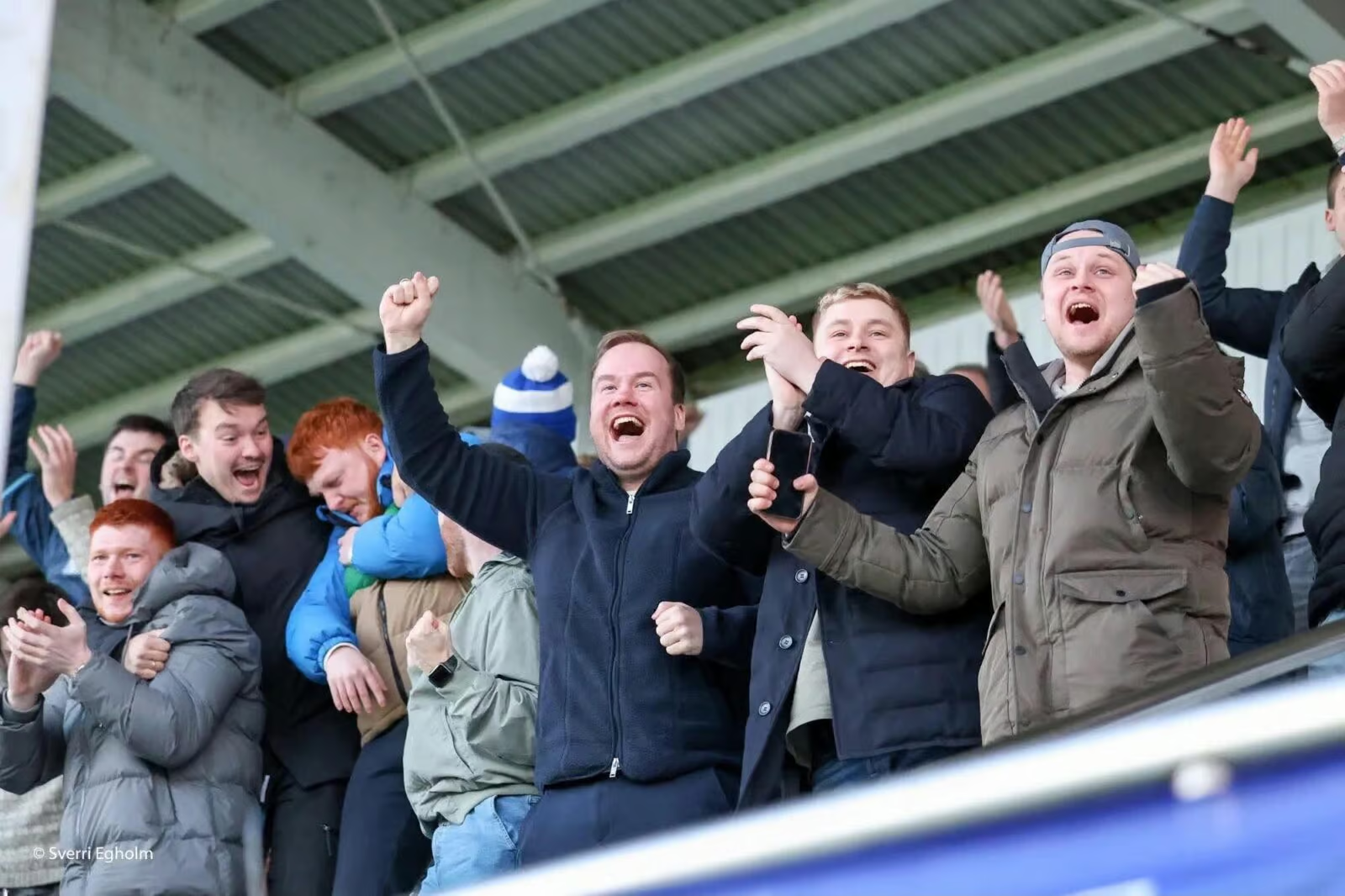






Norðlýsið hevur fingið sendandi eitt lesarabræv frá Erika Belopotocanova (Slovakia), sum lýsir hvussu hon upplivdi Ólavsøkuna og hvat hon heldur um Føroyar og føroyingar sum fólk.
Norðlýsið hevur fingið sendandi eitt lesarabræv frá Erika Belopotocanova (Slovakia), sum lýsir hvussu hon upplivdi Ólavsøkuna og hvat hon heldur um Føroyar og føroyingar sum fólk.
Niðanfyri endurgeva vit lesarabrævið frá Erika Belopotocanova:
(or, what Olavsøka has made me see, feel and learn…)
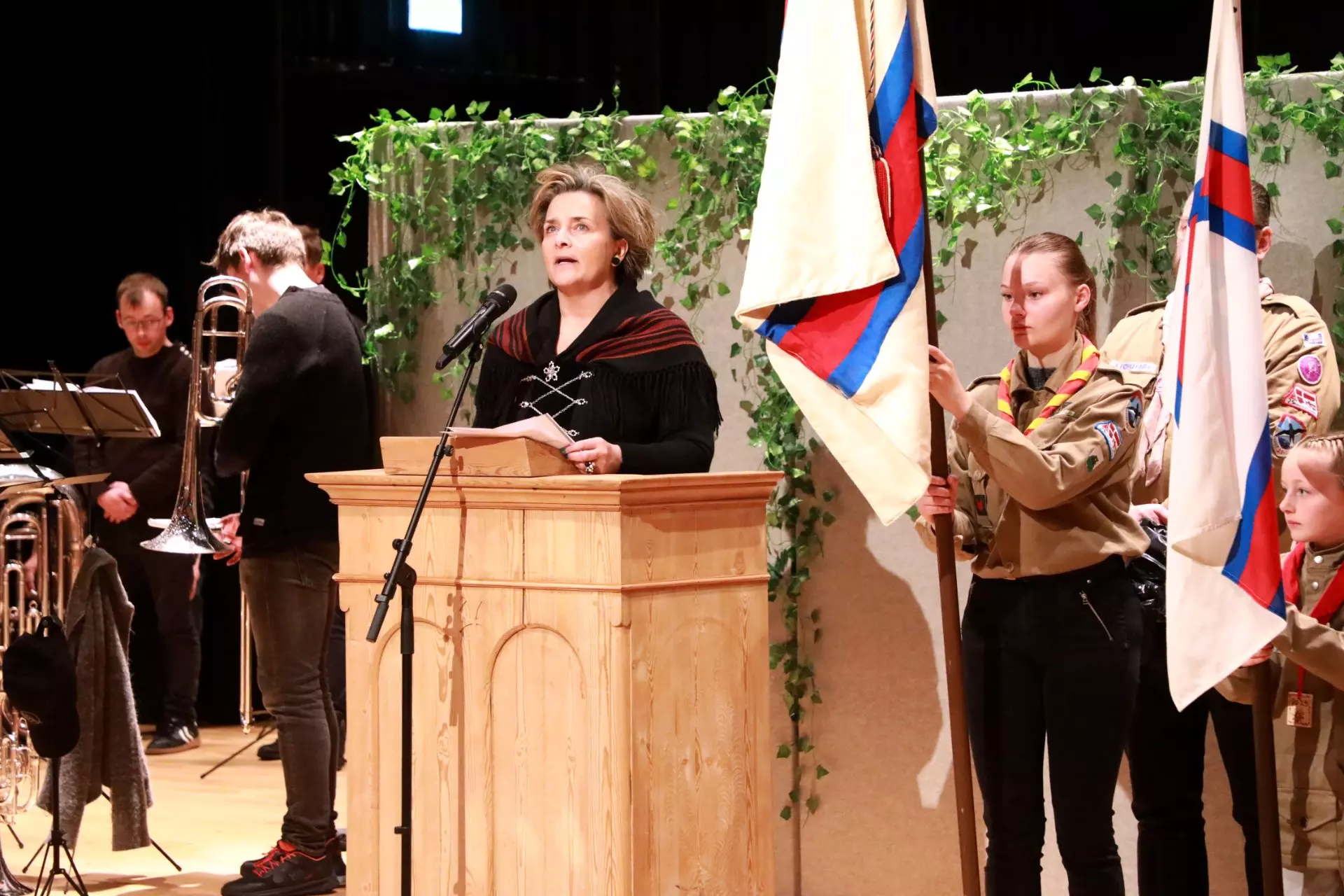
It was my very first Olavsøka time in the Faroe Islands, but it was not my first visit of this land. Although I know the landscape, people, culture, history and tradition rather well and also have a good grasp of the essence of Faroese holidays, it was still very exciting to be here during this special time and take part in the celebration and festivities.
I could not exactly say what I expected, or that I expected something particular, but all I came across astounded me in many ways. It was not just the immediate surrounding that made the impact on what I could see and hear. It was the effect of it, something I could feel and think about. Not only did it touch my very soul, but also taught me the most powerful lesson in my life.
In the course of the two day celebration I encountered no security check of any kind – random or planned. Everybody could move freely wherever they wanted carrying their bags and backpacks and no one was interested to see what was in them. There was no ID check when entering events or buying a drink. There were no designated areas for those who wanted to enjoy their drinks outdoors, on a public place; everybody was free to drink anywhere – standing in the crowd, sitting on a bench or on the quay wall in the harbor, walking down the street and even in the company of their youngsters. And not only that: everybody was free to walk and rest on the uneven, slippery surface of the wet rocks near Tinganes while watching the boat race. There were no barriers, tapes, instructions, safety warnings or security guards. Still, everybody knew what to do and they moved unrestricted, freely and at the same time cautiously, considerately and politely. A job of the police officers on duty was limited to serve and protect, not to limit, restrict or intimidate.
You wonder now where I come from and might be under the impression that I am an American. I don’t blame you, but don’t get misled and mistaken: I am European. I come from a small town in the north of Slovakia and I grew up in the same essence of a social system: running around freely in the mountains, picking flowers or catching fish in the rivers in the summer, attending many public events together with my parents which also included collecting empty beer bottles just like the boys did before the midnight gathering.
In my early adult years I moved to North America. Those were enriching, exciting and successful fifteen years of my life in a multinational, multicultural environment. However, I never realized as clearly as now that there was a high price to pay for it. I paid with my freedom. With my sense of freedom. I forgot how it feels to be free truly, ultimately free.
In a diverse, multicultural society it is not common sense, common values and principles that determine what is right, safe, good or allowed. It is rules and regulations. The more multicultural society, the longer list of all kinds of rules and regulations. One does not think or act, one only follows. It sounds wrong and limiting, but in reality it is quite the contrary: in everyday life in a multicultural society this is the only way how the people can feel safe and secure, and they are even grateful for it. So grateful, so appreciative and so used to it that freedom without a long list of rules and restriction feels not quite right.
Freedom is only for those who know what to do with it, and this is possible only in a homogeneous society where homogeneity means common values, principles, beliefs, goals and dreams.
Those fifteen years in North America may be permanently carved in my head. I may never completely get rid of that acquired constraint tampering my sense of freedom. That is correct, the definition and the sense of what is true, genuine freedom might have been rewritten forever in my mind, but perhaps not everything is lost. Olavsøka has reminded me of what the ultimate freedom feels like and gave me a chance to revive and relive it. One can never get used to it or take it for granted. And one never should.
I hope I will enjoy the same feeling and experience the same moments next year and the year after and over and over again for many years to come – right here, in the Faroe Islands.
Erika Belopotocanova
currently living in Denmark